Two half-days,
21 sessions
Every session and confirmed speaker for the 2027 BPS Summit, held on Zoom Wednesday, Jan. 27 and Thursday, Feb. 4, 2027, 12:00–4:00 pm ET each day.
All times Eastern (9:00 am–1:00 pm Pacific). Draft agenda, subject to change. Confirmed speakers are listed, with more to be announced. All sessions except Peer Circles are recorded.
Wednesday, January 27Day 1 · Designing & launching a BPS
From policy concept through program stand-up.
1Welcome, Orientation & Live PollingPlenary
Welcome from the organizers and a quick tour of how the two days work: plenaries, concurrent workshops, Peer Circles and recordings. Live polls show who is in the room by jurisdiction type, size and BPS stage, and help size the Peer Circle rooms.
 Mark OrlowskiSustainable Endowments Institute
2The State of BPS in North America: Hard Lessons from the First ProgramsPlenary panel
Leaders of some of the longest-running BPS programs give a candid tour of what years of implementation have taught the field: what they got right in policy design, what they have had to amend, where enforcement got real, and what they would tell a jurisdiction starting today. Three questions frame the panel: What surprised you? What would you do differently? What should the next wave of jurisdictions borrow from you?
 Katie BergfeldWashington, DC
 Dr. Sharon JayeDenver, CO
 Emily HoffmanNew York City
 Micah LangVancouver, BC
- Mark OrlowskiSustainable Endowments Institute
Workshop Block AChoose 1 of 3
3Writing the Law: Ordinances, Rulemaking & Legal Authority
What belongs in the ordinance, in rulemaking and in technical guidance; bringing your attorneys in early; building in flexibility without losing enforceability; and how long rulemaking really takes. Includes the provisions experienced programs wish they had written differently, and the debate over whether enforcement details belong in regulations.
Speakers- Katie BergfeldWashington, DC
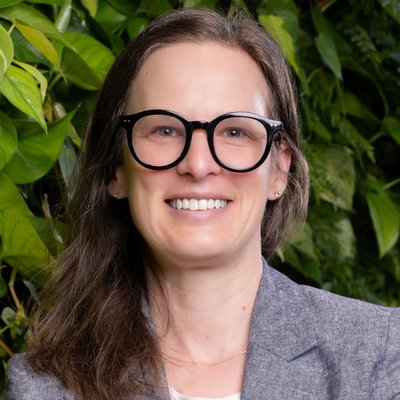 Emily CurleyMontgomery County, MD
- Dr. Sharon JayeDenver, CO
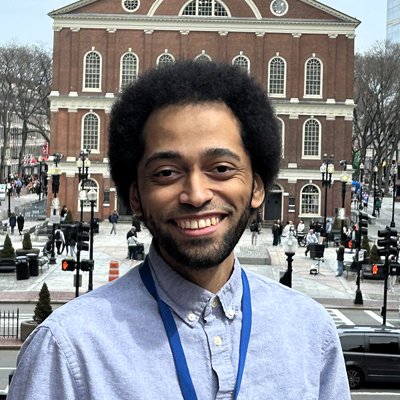 Darius Zgripcea BaileyNewton, MA
4Metrics, Targets, Baselines & Electrification Incentives
Choosing a metric (energy use intensity, greenhouse gas emissions, or both); setting targets from local benchmarking data, and what to do when that data is full of holes; single-year and multi-year baselines; target adjustments; and designing electrification into the metric itself through credits, bonuses and grid-emissions projections.
Speakers Derek ValentiDenver, CO
- Emily HoffmanNew York City
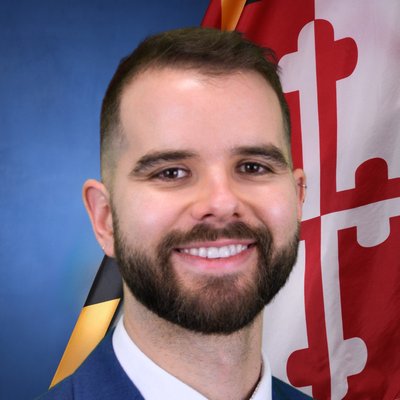 Sam FurioState of Maryland
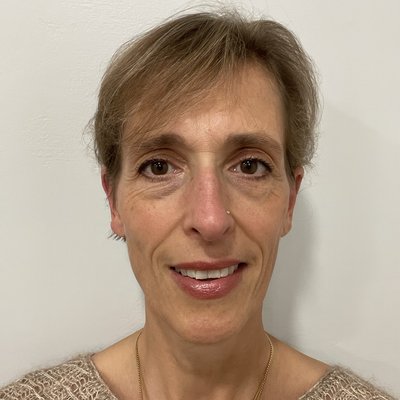 Gabriela MartinEvanston, IL
5Data Foundations: Covered Building Lists, UBIDs & Assessor Data
The unglamorous work everything else depends on: building a covered-buildings list from messy tax assessor data, deciding what counts as "a building" (campuses, strip malls, multi-parcel towers), unique building identifiers (UBIDs), and keeping the list current year after year.
Speakers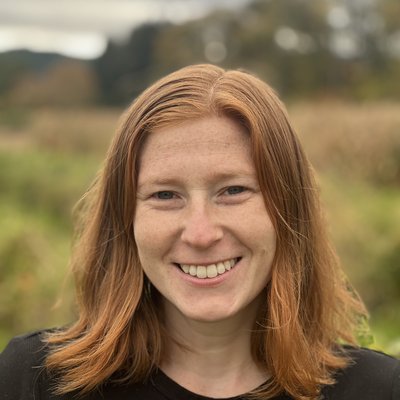 Madeline O'DwyerState of Oregon
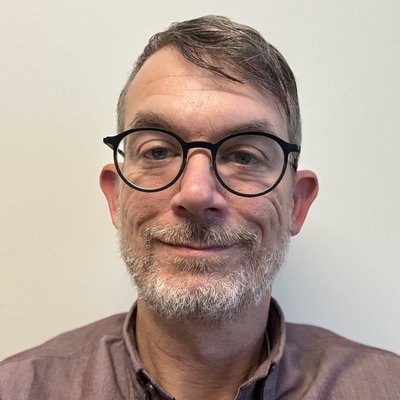 Scott WalkerCambridge, MA
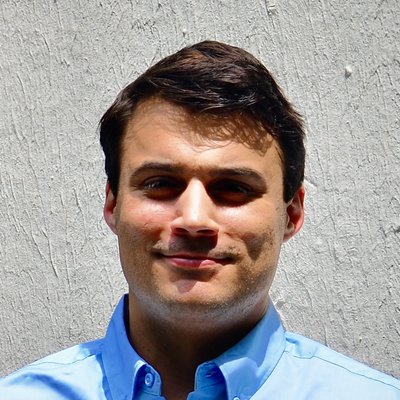 Christopher MentzerState of Maryland
Workshop Block BChoose 1 of 3
6Equity by Design: Under-Resourced Buildings & Anti-Displacement
Defining under-resourced buildings such as affordable housing, houses of worship and community-serving nonprofits; policy levers (extended timelines, adjusted standards) and program levers (free audits, help centers, dedicated funds); keeping compliance costs from passing through to tenants; and directing compliance payments to environmental justice projects.
Speakers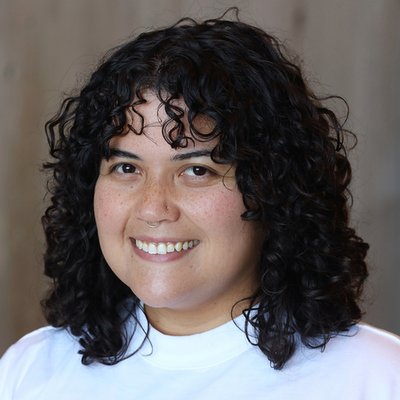 Diana VasquezBoston, MA
7Tools, Platforms & Platform Risk: BEAM, Touchstone, SEED
Led by users, not vendors: government staff walk through real workflows, costs and pain points on the major platforms; owner portals, CRMs and help desk models; what to put in a software RFP; and backup plans in case federal tools such as ENERGY STAR Portfolio Manager lose support.
Speakers Gurmeet Singh GheraVancouver, BC
- Gabriela MartinEvanston, IL
 Ashley McCulleySeattle, WA
8Alternate Compliance Pathways & Flexibility Design
The full range of flexibility options: timeline adjustments, target adjustments, alternative compliance payments and custom action plans; hardship criteria; and how long extensions should run. Grounded in real application volumes and approval rates from a mature program.
Speakers- Derek ValentiDenver, CO
- Darius Zgripcea BaileyNewton, MA
 Jeff RasmussenState of Washington
 Katarína MichalováSt. Louis, MO
9Peer Circles by Stage of BPS Development5 rooms
Join the room that matches your jurisdiction's current stage, led by practitioners a stage or two ahead. Each room works through three questions: What decision is in front of you right now? What is blocking you? What does the room know that would unblock you? Peer Circles are not recorded.
Government staff & partner organizations only- Exploring: benchmarking only, or a BPS under considerationFacilitator
 Zuleika PevecAspen, CO
- Developing policy: drafting and passing the ordinanceFacilitator
- Clare McLaughlinAspen, CO
- Rulemaking & stand-up: writing regulations, procuring systems, hiringFacilitator
- Micah LangVancouver, BC
- Early implementation: first reporting cycles, deadlines approachingFacilitators
- Madeline O'DwyerState of Oregon
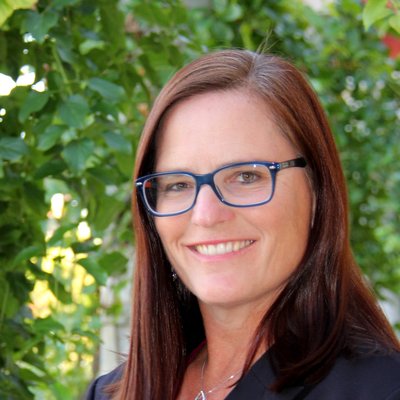 Coleen WisniewskiChula Vista, CA
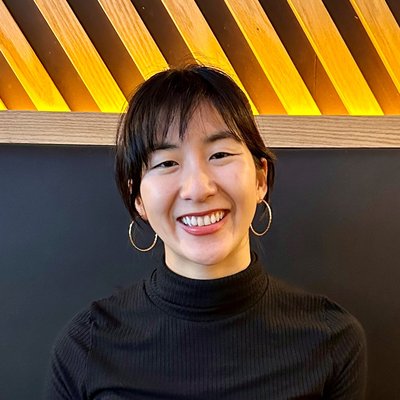 Christine ShenWest Hollywood, CA
- Advanced implementation & enforcement: performance deadlines arrivedFacilitators
- Dr. Sharon JayeDenver, CO
- Emily HoffmanNew York City
10Report-Back & Day 1 ClosePlenary
Each Peer Circle shares one insight and one open question. Open questions are carried into Day 2, and the host previews the second day.
Thursday, February 4Day 2 · Implementing, enforcing & sustaining
From first compliance deadlines through long-term program resilience.
11Welcome Back & Day 2 FramingPlenary
A recap of the themes from Day 1's Peer Circles, with open questions mapped to the day's sessions.
12When the Deadlines Arrive: Compliance, Flexibility & Enforcement in the First CyclesPlenary panel
When performance deadlines hit, flexibility applications flood in and the credibility of the whole policy rests on what happens next. Panelists compare real first-cycle experiences: application volumes and approval rates, keeping flexibility from swallowing stringency, when to extend and when to enforce, and making large penalties defensible, legally and politically.
 Aykut YılmazWashington, DC
- Derek ValentiDenver, CO
- Katarína MichalováSt. Louis, MO
- Gurmeet Singh GheraVancouver, BC
- Joy JacksonBoston, MA
Workshop Block CChoose 1 of 4
13Data Quality Masterclass: Utility Data, Flags & Verification
The full data-quality pipeline in one session: utility data requests and the missing-meter problem, automated data flags such as energy-use outliers and year-over-year floor-area swings, third-party verification programs, and outreach on the errors that flags and verifiers miss.
Speakers- Joy JacksonBoston, MA
- Coleen WisniewskiChula Vista, CA
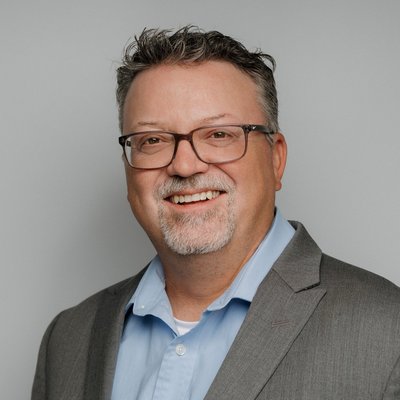 Matt RaiaDenver, CO
- Katarína MichalováSt. Louis, MO
14Condos, Multifamily, Leases & Complex Ownership
The hardest buildings: finding, contacting and enforcing against condo associations and HOAs; split responsibilities between unit owners and associations; ownership changes mid-cycle; and leases, including tenant data refusals, model lease language and keeping compliance costs off tenants.
Speakers Sheena OliverMontgomery County, MD
- Zuleika PevecAspen, CO
- Scott WalkerCambridge, MA
15Enforcement Mechanics: Fines, Liens, Occupancy Permits & Court
The full enforcement toolkit and how it works in practice: citation, hearing and settlement pipelines; liens that follow the property; occupancy-permit leverage; using citations to bring non-reporting buildings into compliance; and making large performance penalties legally defensible.
Speakers- Katie BergfeldWashington, DC
16Field Resources: How National Partners Support Jurisdictions
National organizations that work alongside BPS jurisdictions share the tools, research and technical assistance available to governments at every stage, from model policies and implementation guides to target-setting support, followed by open Q&A so you can match your current challenges to the right resource.
Speakers: national partner organizations, to be announced
Workshop Block DChoose 1 of 3
17State–Local Coordination: Overlapping BPS & Benchmarking Policies
When city and state requirements overlap: aligning metrics, deadlines and covered-building definitions; agreements where complying with one policy satisfies both; shared data pipelines; and what to negotiate before the second policy passes. Structured as paired state and local case studies.
Speakers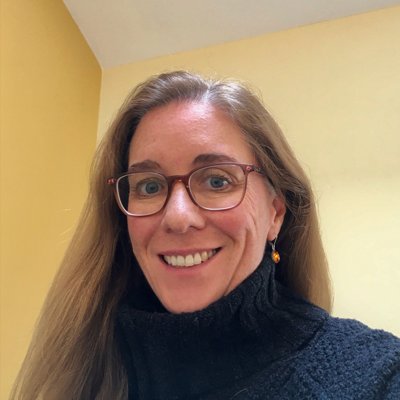 Nicole BallingerSeattle, WA
- Emily CurleyMontgomery County, MD
- Christopher MentzerState of Maryland
- Coleen WisniewskiChula Vista, CA
 JoAnna SaundersState of California
18Deciding the Hard Cases: Review Boards & Financial Hardship
Who decides, and by what standard, when a building says it can't comply: review board makeup and authority, appeals, defining financial hardship, what documentation to require when nobody on staff is an accountant, and whether hardship relief can cover a whole portfolio.
Speakers- Diana VasquezBoston, MA
19Communications, Outreach & Engagement
From engagement while the policy is written to outreach once compliance begins: plain-language materials, mailings tailored to each property type, testing envelopes and postcards, step-by-step owner sessions, recruiting satisfied owners to counter misinformation, and balancing a helpful voice with the enforcement letter that finally gets a reply.
Speakers- Dr. Sharon JayeDenver, CO
 Mia EdbrookeVancouver, BC
- Madeline O'DwyerState of Oregon
- Micah LangVancouver, BC
- Sam FurioState of Maryland
20Peer Circles by Jurisdiction Size & Type5 rooms
Join the room that matches your government's size and type, because a 200-building resort town, a 50,000-building city and a state program face different versions of every problem. Same format as Day 1, plus one more question: What's one tactic from this Summit you'll adapt to your scale? Peer Circles are not recorded.
Government staff & partner organizations only- Small cities & towns: under about 1,000 covered buildingsFacilitators
- Zuleika PevecAspen, CO
- Darius Zgripcea BaileyNewton, MA
- Christine ShenWest Hollywood, CA
- Mid-size cities: about 1,000 to 5,000 covered buildingsFacilitator
- Coleen WisniewskiChula Vista, CA
- Large cities: 5,000+ covered buildingsFacilitator
- Ashley McCulleySeattle, WA
- Counties & regional governmentsFacilitator
- Lewis MorganteMontgomery County, MD
- States & provinces: facilitator to be announced
21Closing: Report-Backs, Resource Roundup & CommitmentsPlenary
Report-backs from each Peer Circle; a rapid-fire roundup of guidebooks, model policies and tools, with links shared in the chat; a look at where this community goes next; and one concrete next step from every attendee.
Ready to register?
Early-bird pricing ends Friday, Dec. 18. One ticket covers both days and the recordings.